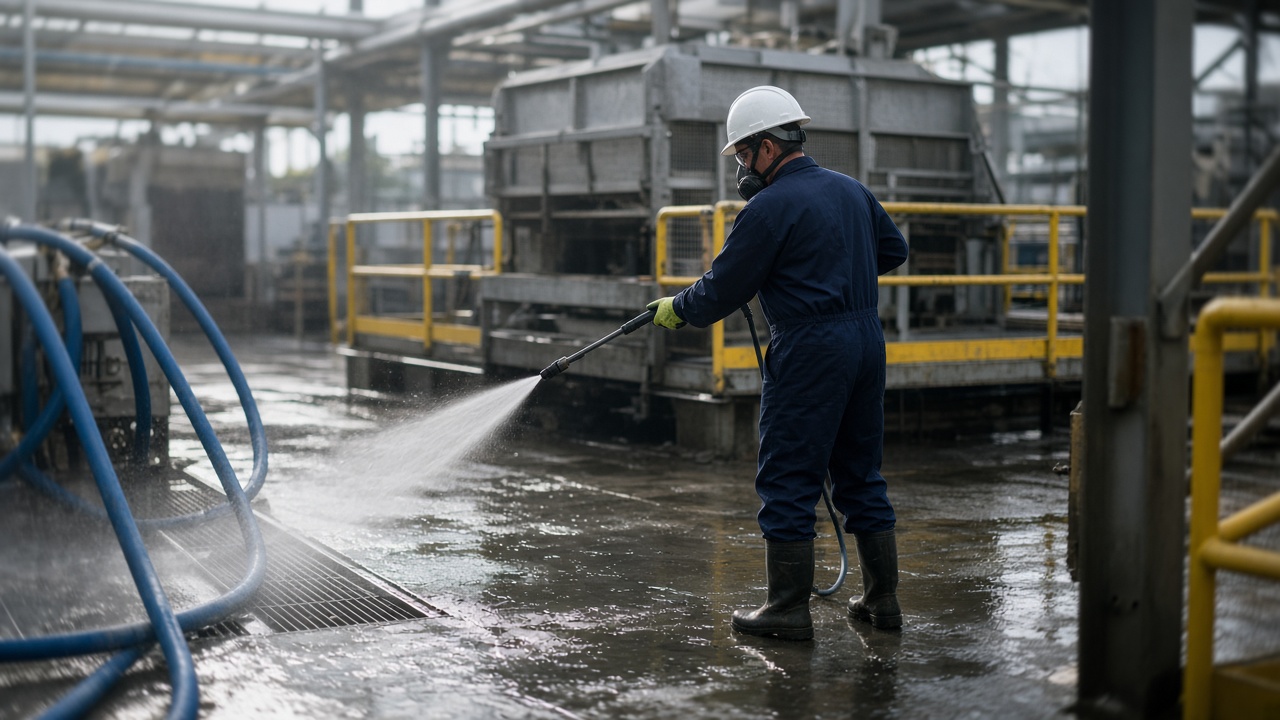
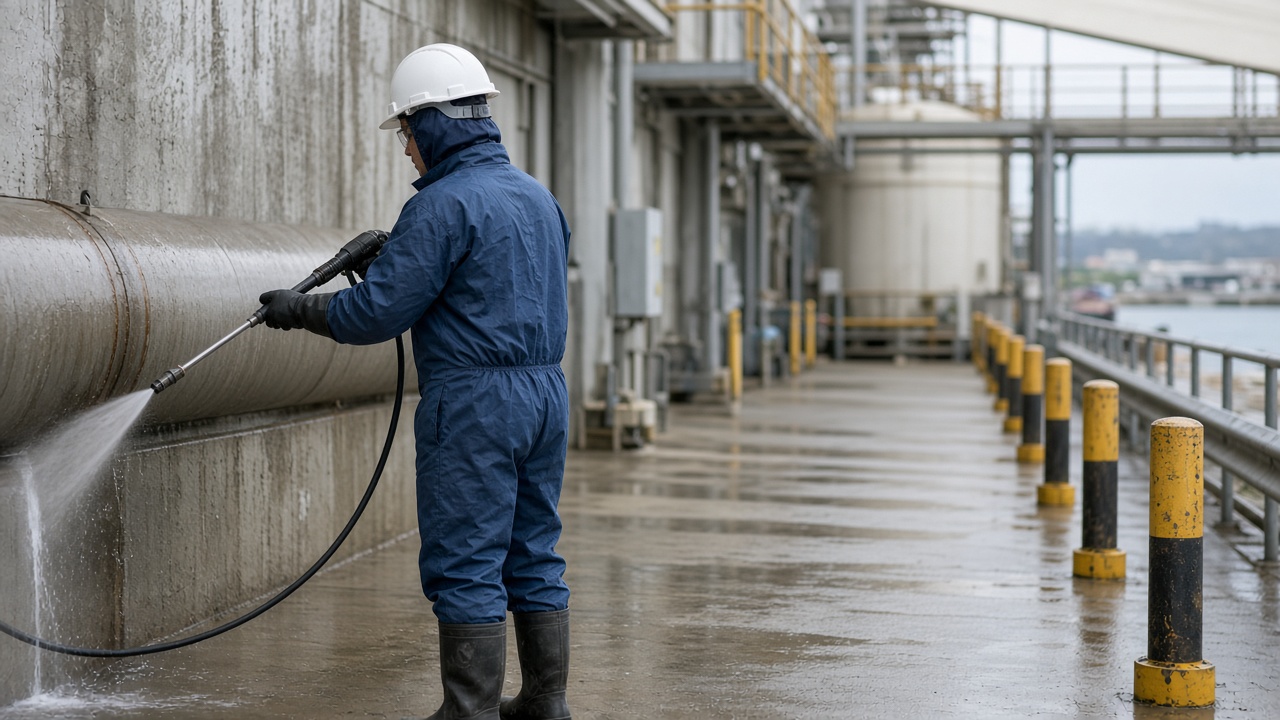
Industrial cleaning has different risk conditions than standard office work. Safe delivery depends on sequencing, site controls and clear communication.
Key safety controls to confirm
- Site induction and access protocols
- Traffic-aware sequencing near forklifts and loading zones
- Task timing around production windows
- Appropriate signage and isolation controls
- Escalation path for hazards and incidents
Why sequencing matters
Task order affects both safety and quality. High-traffic and active zones should be cleaned at planned windows, with clear boundaries and communication to site contacts.
Documentation managers should require
- Written scope by zone
- Safety-critical task notes
- Completion records
- Exceptions and corrective actions
This helps maintain an evidence trail for internal governance and operational reviews.
Build a safer service model
Bundle industrial cleaning with broader FM controls where needed:
NSW WHS expectations in practice
Under NSW work health and safety law, both the site controller and the cleaning contractor share duties to eliminate or minimise risks so far as reasonably practicable. That means inductions, safe work methods for non-routine tasks, and communication when conditions change — not just generic “be careful” notes.
For work near plant, racking or loading docks, agree exclusion zones and whether cleaning runs during production or in planned shutdown windows.
Chemical storage and SDS
Industrial sites often restrict chemical types and storage locations. Confirm product lists against site rules and keep Safety Data Sheets available where your WHS system requires them. Do not assume office-grade products are acceptable in workshops or food-adjacent areas without approval.
Incidents and near-miss reporting
Define a simple reporting path: who to call, what to photograph, and when to stop work. Near-misses near forklifts or overhead doors should trigger a scope review even if no injury occurred.
Hunter Valley and Newcastle industrial corridors
Sites in Rutherford, Thornton, Mayfield and Singleton often mix office frontages with operational rear zones. Scope each separately — presentation standards at the front, traffic-aware sequencing at the rear.
FACILITIES MAN prepares practical SWMS for non-standard tasks and remains induction-ready for client sites. Owner-led oversight keeps safety conversations direct.
Review your contractor at least annually — or after layout changes, new plant or a serious near-miss. Safety performance is part of service quality, not a separate paperwork exercise.
For Newcastle-specific coverage, see industrial cleaning in Newcastle or our industrial cleaning service.